Ladybug: A Script Font That Adds Playful Charm to Digital Design
As a web designer, I’ve spent countless hours choosing the right fonts to bring a brand’s personality to life. One font that has consistently stood out in my projects is Ladybug. It’s not just another script font—it’s a character in its own right, with a romantic and playful vibe that feels both timeless and fresh. I recently tested Ladybug across several digital layouts, from landing pages to portfolio sites, and it performed exceptionally well.
The Visual Personality of Ladybug
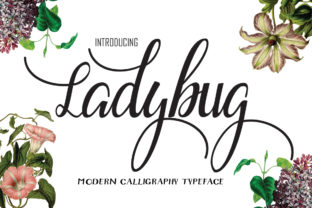
Ladybug is a premium display font that exudes charm and elegance. Its flowing lines and delicate curves give it a handcrafted feel, making it ideal for brands that want to convey warmth, creativity, and a touch of whimsy. The font has a soft, almost handwritten quality that adds a personal touch to any design. It’s not too bold or too subtle, striking a perfect balance between sophistication and approachability.
Testing Ladybug in Real Web Layouts
I first used Ladybug for a boutique online store’s homepage. The hero section needed something eye-catching yet elegant, and Ladybug fit the bill perfectly. When placed over an image banner, it added a layer of visual interest without overwhelming the design. The font’s legibility on dark backgrounds was impressive, and it maintained its readability even when scaled down for mobile views.
Later, I tested Ladybug on a course sales page. As a headline font, it worked beautifully, drawing attention while keeping the tone friendly and inviting. However, I noticed that for longer body text, it might be less suitable due to its decorative nature. That said, it still held up well for short phrases, call-to-action buttons, and decorative accents.
Font Pairing and Brand Identity
When pairing Ladybug with other fonts, I found that it works best with clean sans serif fonts like Montserrat or Lato. These pairings create a nice contrast—Ladybug brings flair and personality, while the sans serif fonts provide clarity and professionalism. For a more editorial look, I also experimented with pairing it with a simple serif font like Georgia or Cinzel. This combination felt both modern and classic, which is great for branding that wants to appeal to a broad audience.
For logo design, Ladybug is a standout choice. It can be used as the primary typeface for a brand name, especially if the brand has a creative or artistic identity. I’ve seen it used effectively in digital brand kits, where it helps establish a cohesive visual language across all touchpoints.
Readability and Responsiveness
One of the most important aspects of any web font is its readability, especially on smaller screens. Ladybug holds up surprisingly well in this regard. When testing it on mobile devices, I found that it remained legible even at smaller sizes, which is crucial for buttons, headers, and navigation menus. However, I would recommend using it sparingly in areas that require dense text, such as form labels or long paragraphs.
On dark backgrounds, Ladybug looks stunning, but I noticed that it could become slightly harder to read on light backgrounds if the contrast isn’t carefully managed. To ensure optimal readability, I suggest pairing it with a high-contrast background or adjusting the font weight for better visibility.
Design Assets and Commercial Use
Before using Ladybug on client projects or commercial websites, I made sure to check the included styles, weights, and file formats. The font offers a range of options, including alternates, ligatures, and swashes, which add versatility for different design needs. It also supports multiple languages, making it a great choice for international brands or multilingual content.
For those planning to use Ladybug in digital templates, SVG-style designs, or printables, it’s essential to verify the commercial font licensing. Ladybug is designed for use in a variety of contexts, from web design to print, ensuring that it meets the needs of both small businesses and larger enterprises.
Final Thoughts on Ladybug
Ladybug is more than just a script font—it’s a versatile tool that can elevate any digital design. Whether you’re building a boutique website, crafting a course sales page, or designing a portfolio site, this font adds a unique touch that feels both professional and personal. With its playful charm and strong readability, Ladybug is a must-have for any web designer looking to make a lasting impression.